Take our Omaha Lead Poisoning Prevention Public Opinion Survey and help inform local policy
Your child could be suffering from lead poisoning
We are here to help provide you with important information about lead poisoning and its harmful effects on children including:
- Speech, language, and hearing problems
- Nervous system and kidney damage
- Learning and behavior problems
Learn more about protecting your children’s future by filling out this form, calling (402) 444-7825 or going to our Resources page.
Preventing Childhood Lead Poisoning Starts at Home
Lead poisoning is a serious health concern, especially for young children. Lead is a toxic metal that used to be quite common in industrial processes and paint. It enters the body through various sources such as old paint, dust, contaminated soil, and even certain imported products, especially spices.
Did you know?
Parents, the top two causes of lead poisoning in children include:
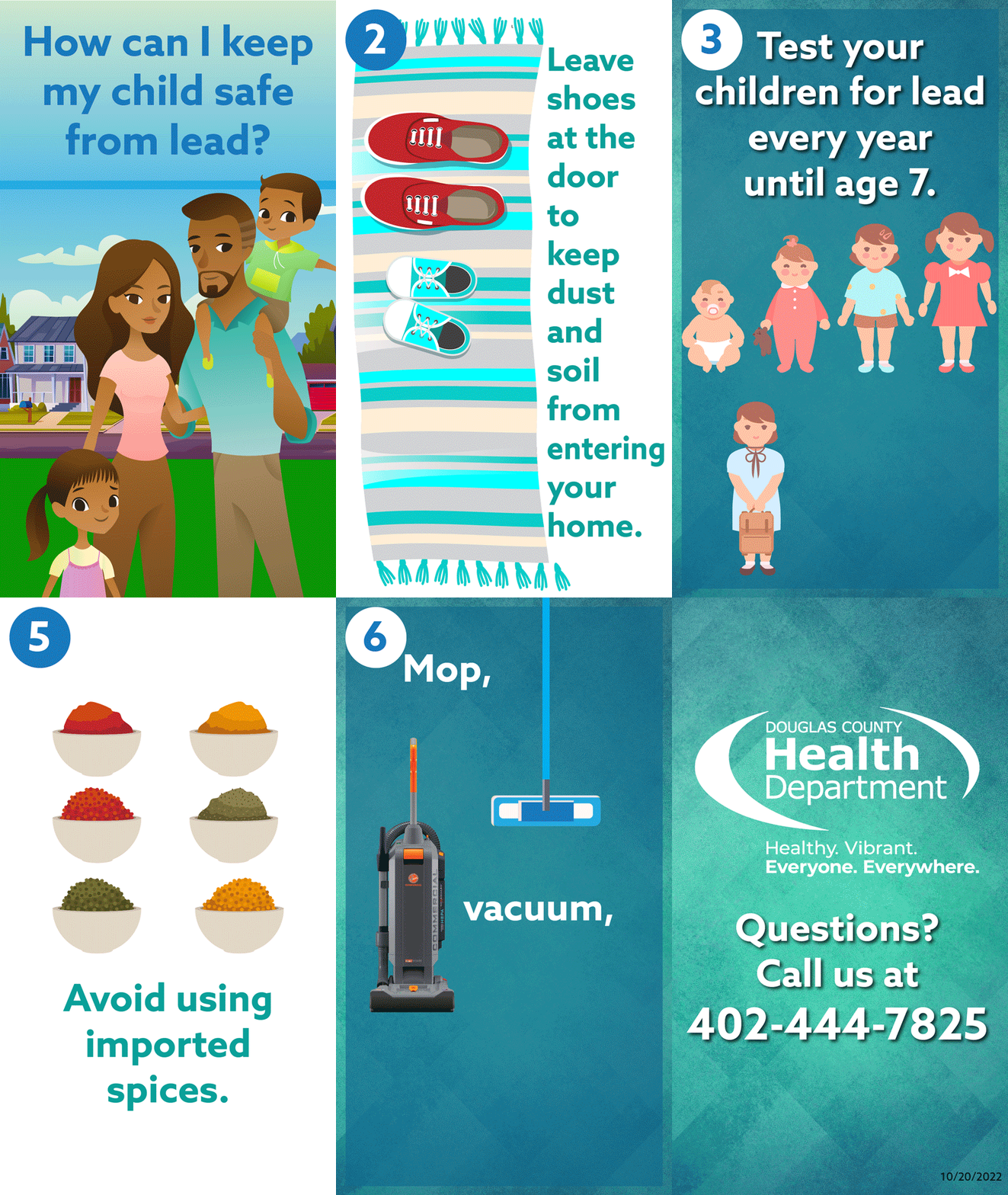
Learn how to keep your child safe
For parents: To learn more about how to keep your child safe, click here.
Share with Your Health Provider: To learn more about important information to share with your health provider, click here.
Home Inspections
At a scheduled time, a team of Health Department staff will come to your home and will test four surfaces using special "wipes" which will be sent to a lab for analysis for lead concentration. It is that simple!
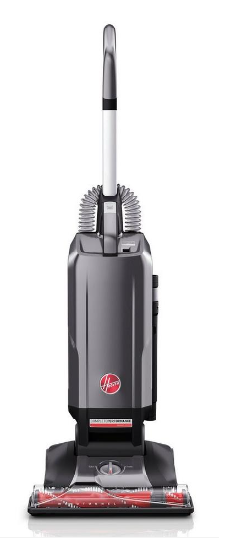
While in you home, the Health Department staff will also briefly provide you with information about how to clean you home to help protect you and your family from harmful lead dust. In addition, you will be given a free HEPA vacuum cleaner and you will be instructed on how to use the vacuum to minimize the risk of lead dust.Fill out the form below to :
- Find out if you qualify for a free lead home inspection.
- Find out if you qualify for a free HEPA vacuum.
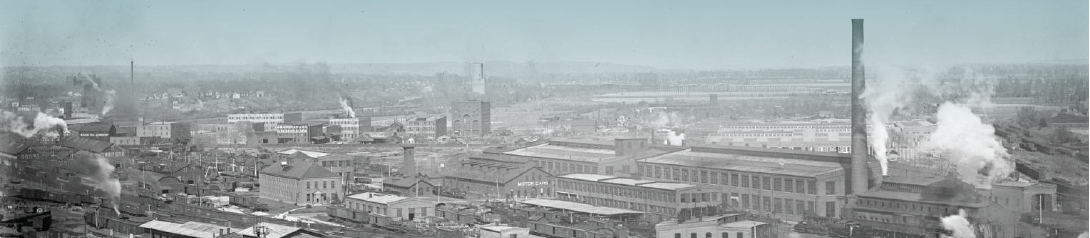
Living in an Industrial Area Can Increase Your Risk of Lead Poisoning
Living near any of the following places could increase your exposure to lead: Food production factories, auto repair shops, electronic facilities, water towers, major roadways, battery recycling facilities, any other industrial area. Living near these areas can increase the amount of heavy metals in the air or soil.
Ways to Protect Yourself and Your Family
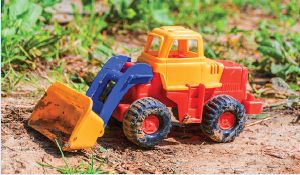
Play Areas
Do not let children play on bare soil or in the dirt. Play areas should be away from buildings or busy roadways.
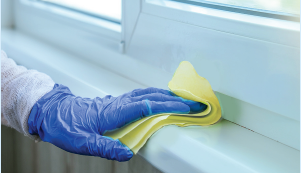
Dust Free Home
Keep your home dust free-be sure to wet dust with wipes or wet paper towels. Use gloves when wet dusting.
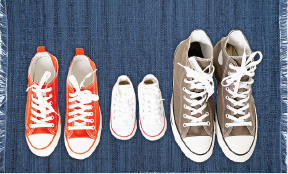
No Shoes in the House
Remove your shoes before entering your home. Place washable rugs in your entryway so you do not track lead dust and dirt into your home.

Gardening
- When gardening, use raised bed gardens.
- If you must plant in the soil, wear protective gloves and wash hands thoroughly afterwards.
- Thoroughly wash fruits and vegetables that are planted in a garden.
- If you think the soil in you garden might be contaminated with lead, remove the outer leaves of leafy vegetables, peel all root vegetables, and wash the produce with a one percent vinegar solution.
Certain plants are more likely to absorb lead in the soil than others. The following plants are considered high risk, moderate risk, or low risk.
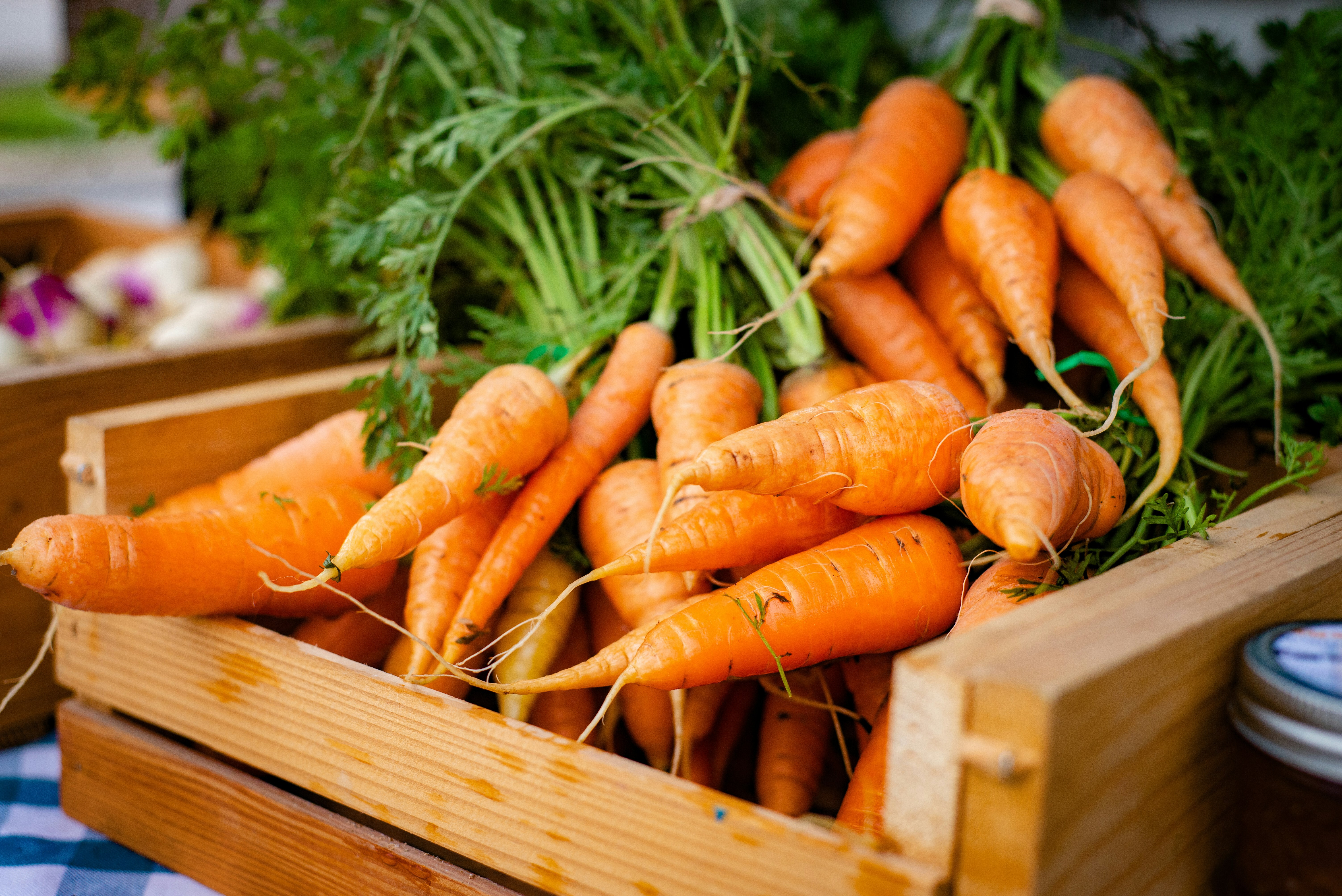
High Risk
- Carrots
- Potatoes/Sweet potatoes
- Radishes
- Onions
- Collard greens
- Swiss chard
- Lettuce
- Mint
- Broccoli
- Kale
- Cilantro
- Parsnips
- Leeks
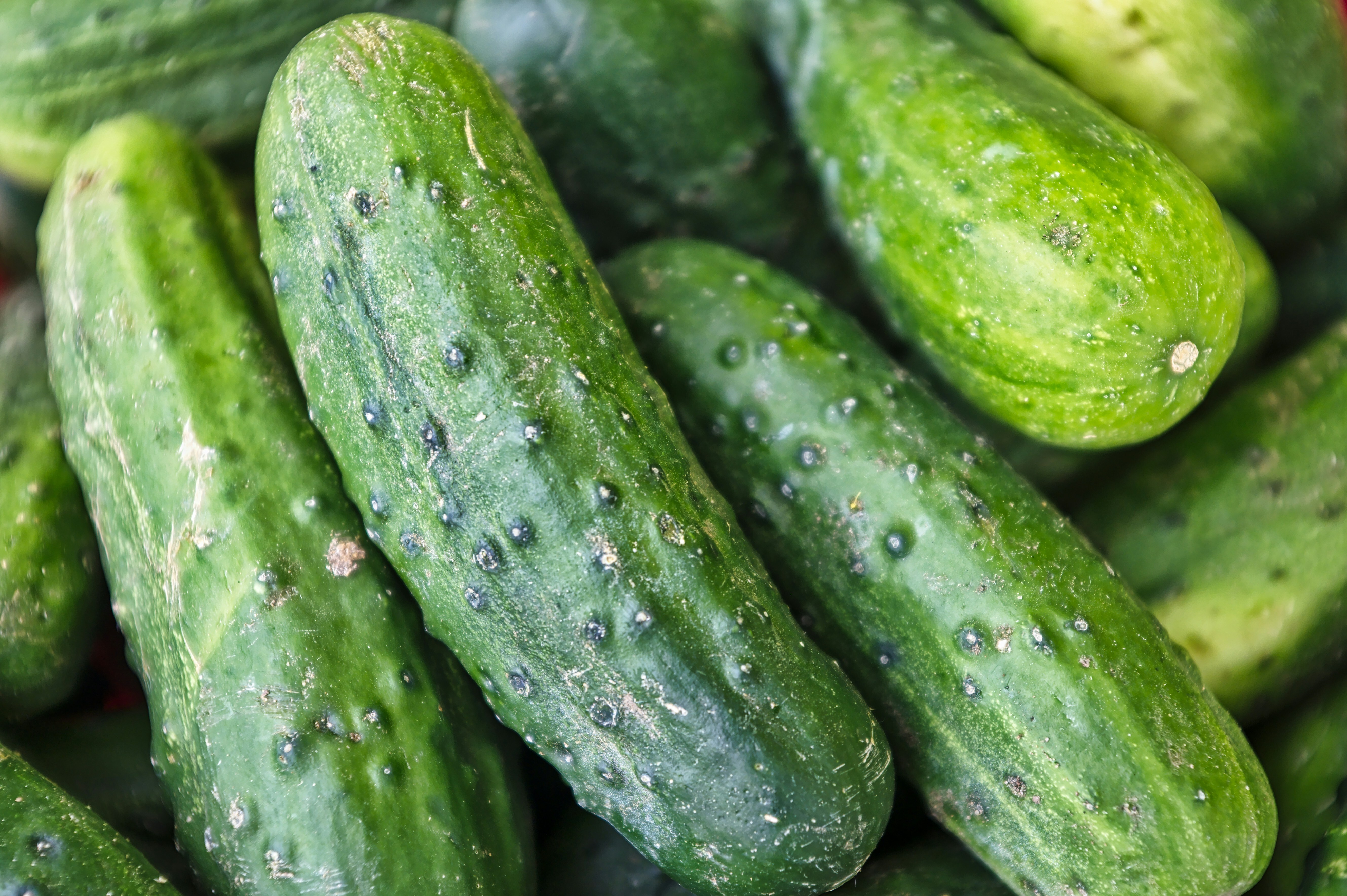
Moderate Risk
- Cycumbers
- Melons
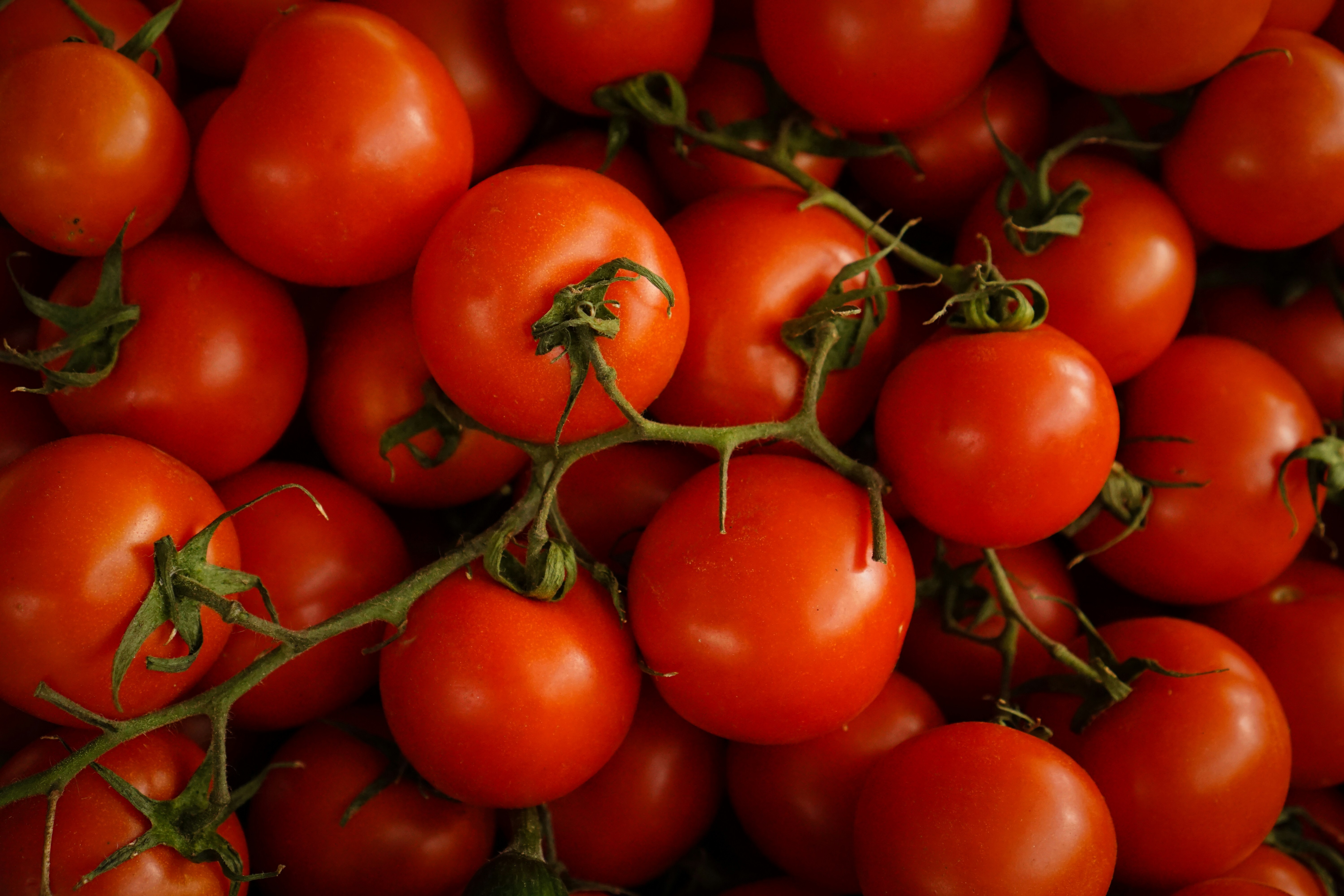
Low Risk
- Tomatoes
- Peppers
- Beans
- Zucchini
Keep your children safe from lead
Contact us today to learn more about how to keep your children safe from lead poisoning.